

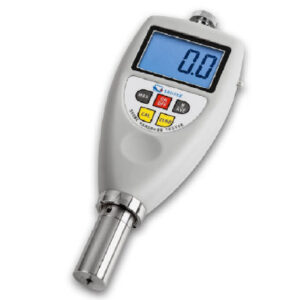
Digital hardness Tester
- Shore A, 0 and D to measure the hardness of plastics through penetration measurement
- Shore A rubber, elastomers, neoprene, silicone, vinyl, soft plastics, felt, leather and similar material
- Shore 0 foam, sponge
- Shore D plastics, formica, epoxides, plexiglass etc.
- Material thickness of the sample: min. 4 mmDelivered in a hard carrying case
- Particularly recommended for internal comparison measurement. Standard calibrations e. g. to DIN 7619-1 are often not possible because of very narrow standard tolerances
- Can be attached to the test stands TI-ACL (for Shore A and A0), TI-DL (for Shore D) to improve measuring uncertainty
- Large display with backlight
- Selectable: AUTO-OFF function or permanent operation, battery level indicator
Report Abuse
Shipping Details
Based on 0 reviews
Be the first to review “Digital hardness Tester”
You must be logged in to post a review.
Vendor Information
- Store Name: ATLANTIC Scientific and Research Supply
- Vendor: ATLANTIC Scientific and Research Suply
- No ratings found yet!
-
Health & Medical
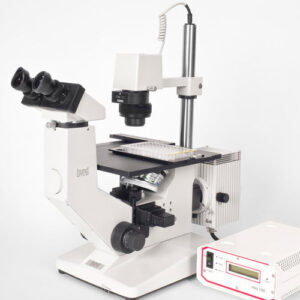
Incubator/fluoresence microscope
Stand: Microscope stand configuration AFL
Objective: Objective A 4 / 0,10, Objective A 10 / 0,25, Objective SPL 20 / 0,35 (LD), SPL 40 / 0,60 (LD) in correction mount
condenser: Brightfield condenser NA 0,25 for attachment to the illumination unit
Illumination: HBO 100
Lamphouse: HBO 100 with collector, mirror, lamp mount and heat protection filter
HBO LAMP: Mercury high pressure lamp 100 W
Power supply: HBO 100 including mains cable
Filter slider: Filter slider for up to 2 filtersets
FITC Filter: Filter set D for immunofluorescence (FITC) blue excitation
Set of accessories: Set of accessories WS AFL, operating manual, dust coverSKU: n/a -
Health & Medical
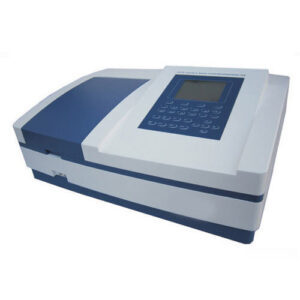
UV-spectrophotometer double beam
Range 190-1100 nm, basic/quantiative wavelength scan/DNA Protein Test/Kinetic, automatic peak picking spectrum display. Large screen with graphic display. Spectrum and data can be printed out by printer and sent to computer via USB PORT. Set of 4 quartz and 4 glass cuvettes is provided. Software Included (Imported with German Lamps).
SKU: n/a -
Health & Medical
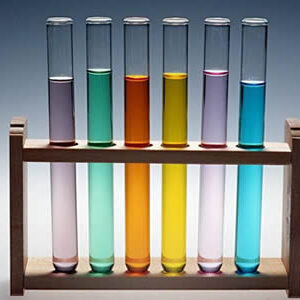
Glass -Test-Tube++
Glass test tube, also known as culture tube and sample tube, is a common and widely used glassware, which has a finger-like length, open top and closed bottom. It can be made of soda-lime material, borosilicate glass or quartz glass. And borosilicate glass and quartz glass test tube can withstand high temperatures up to several hundred celsuis.
SKU: n/a -
Health & Medical
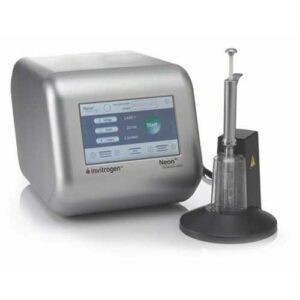
Transfection system
The Neon® Transfection System enables fast and efficient delivery of nucleic acids into all mammalian cell types, including primary, stem, and difficult-to-transfect cells. The flexible and open system allows the user to perform high-quality transfections using optimized or user-defined protocols in three simple steps with as few as 2 × 10⁴ cells per reaction. A novel reaction chamber provides a dramatic increase in transfection efficiency and cell viability. The Neon® Transfection System is:
• Efficient—up to 90% in many cell types, including difficult-to-transfect cells, primary, and stem cells
• Flexible—easily transfect from 2 × 10⁴ cells to 6 × 10⁶ cells per reaction
• Simple—easy to use, with a single reagent kit for all cell types
• Versatile—open system allows electroporation parameters to be optimized freelySKU: n/a -
Health & Medical
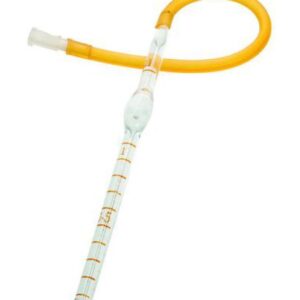
WBC-pipettes
Gentian violet slightly stains the nuclei of the leucocytes. The blood specimen is diluted 1:20 in a WBC pipette with the diluting fluid and the cells are counted under low power of the microscope by using a counting chamber. The number of cells in undiluted blood is reported per cumm (µl) of whole blood.
SKU: n/a
Product Enquiry
Related products
-
Health & Medical
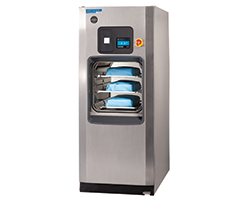
Autoclave
Autoclaves are also known as steam sterilizers and are typically used for healthcare or industrial applications. An autoclave is a machine that uses steam under pressure to kill harmful bacteria, viruses, fungi, and spores on items that are placed inside a pressure vessel. The items are heated to an appropriate sterilization temperature for a given amount of time. The moisture in the steam efficiently transfers heat to the items to destroy the protein structure of the bacteria and spores.
The costs of an autoclave can vary greatly because of the various uses and applications of this technology. Industrial and pharmaceutical autoclaves are customized and manufactured for a specific use and therefore costs are likely to differ compared to autoclaves you find in a hospital or dental office.
SKU: n/a -
Health & Medical
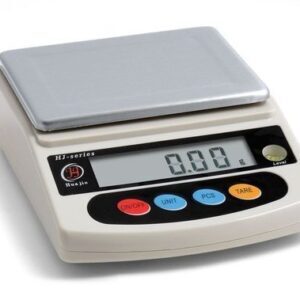
Digital Balance
The Digital Balance is a must-have addition for plastic container laboratories or at-the-line inspection stations. This versatile unit features a digital display for precise weight measurements and simple operation. A built-in RS-232 interface facilitates the transfer of data. This unit is ideal for section weight and volume fill-height measurement activities.
High accuracy weight measurement for containers and preforms
Used for preform and/or bottle weight and fill measurements
SKU: n/a -
Health & Medical
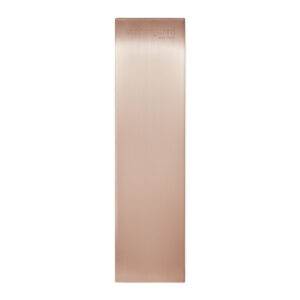
Push Plate
Kopperguard™ antimicrobial DOOR PULLS kills greater than 99.9% of Bacteria* within 2 hours of contact
All Kopperguard™ products are made from CuVerro® antimicrobial copper and registered with EPA as the only solid Antimicrobial Surface
Incorporation of Kopperguard™ antimicrobial product into your facility can help reduce the bacteria* that cause infections
Available in a brushed rose gold finish that elegantly lets everyone know the steps you have taken to provide continuous protection against disease-causing bacteria*
Antimicrobial protection never looked so good!
Offered in the standard 16 “x 4” for easy installation so no area is left unprotected
SKU: n/a -
Health & Medical
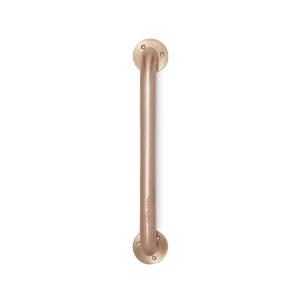
Hand Rails
Kopperguard™ antimicrobial HAND RAILS kills greater than 99.9% of Bacteria* within 2 hours of contact
All Kopperguard™ products are made from CuVerro® antimicrobial copper and registered with EPA as the only solid Antimicrobial Surface
Incorporation of Kopperguard™ antimicrobial product into your facility can help reduce the bacteria* that cause infections
Available in a brushed rose gold finish that elegantly lets everyone know the steps you have taken to provide continuous protection against disease-causing bacteria*
Antimicrobial protection never looked so good!
Offered in 18”, 24”, 32”, 36” sizes for easy installation so no area is left unprotected
SKU: n/a -
Health & Medical
Incubator/fluoresence microscope
Stand: Microscope stand configuration AFL
Objective: Objective A 4 / 0,10, Objective A 10 / 0,25, Objective SPL 20 / 0,35 (LD), SPL 40 / 0,60 (LD) in correction mount
condenser: Brightfield condenser NA 0,25 for attachment to the illumination unit
Illumination: HBO 100
Lamphouse: HBO 100 with collector, mirror, lamp mount and heat protection filter
HBO LAMP: Mercury high pressure lamp 100 W
Power supply: HBO 100 including mains cable
Filter slider: Filter slider for up to 2 filtersets
FITC Filter: Filter set D for immunofluorescence (FITC) blue excitation
Set of accessories: Set of accessories WS AFL, operating manual, dust coverSKU: n/a
There are no reviews yet.