
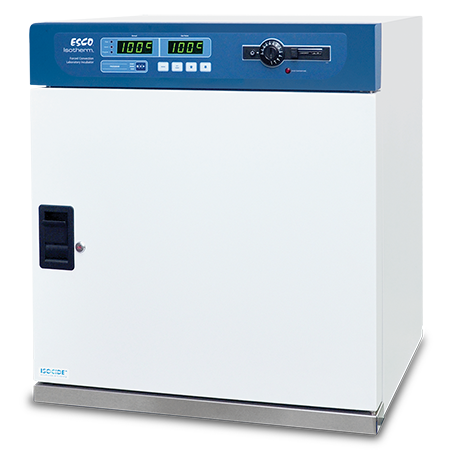
Incubator
Laboratory incubator provides a temperature-controlled environment to support growth of microbiological cultures. Typical incubators are insulated boxes with an adjustable heater, going up to 60°C to 65°C (140°F to 149°F), though some can go slightly higher (generally to no more than 100°C).
Esco Isotherm® laboratory incubator is built with reliable performance and standards. Ergonomic, intuitive interfaces, microprocessor PID controls with programming options, 4-zone heated air jacket, precisely tuned and tested ventilation and insulation package, all supported by Esco’s solutions-based sales and service representatives worldwide.
Related products
-
Health & Medical
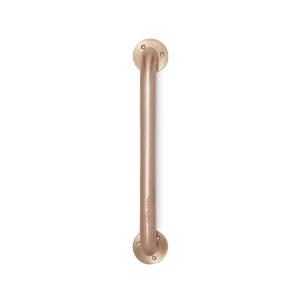
Hand Rails
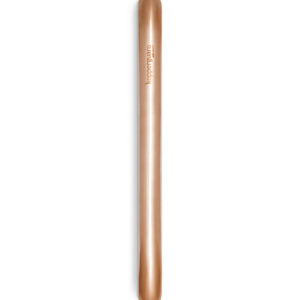
Kopperguard™ antimicrobial HAND RAILS kills greater than 99.9% of Bacteria* within 2 hours of contact
All Kopperguard™ products are made from CuVerro® antimicrobial copper and registered with EPA as the only solid Antimicrobial Surface
Incorporation of Kopperguard™ antimicrobial product into your facility can help reduce the bacteria* that cause infections
Available in a brushed rose gold finish that elegantly lets everyone know the steps you have taken to provide continuous protection against disease-causing bacteria*
Antimicrobial protection never looked so good!
Offered in 18”, 24”, 32”, 36” sizes for easy installation so no area is left unprotected
SKU: n/a -
Health & Medical
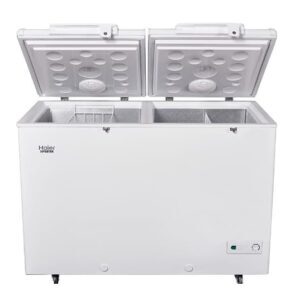
Deep Freezer
- Type: Chest Freezer
- Total Gross capacity Liter: 545
- Freezer Gross Capacity Liter.: 545
- Dimension(W*D*H): 1654*745*905
- Gross Capacity (Cubic Ft.): 19.26
- Temp Freezer: Min -28
- Net Weight (Kg): 76 kg
- Gross Weight (Kg): 86 kg
- Voltage Range: 105V – 260V
- Refrigerant: R600a
- Food Basket: 2
- Super Freeze Function: Yes
- LED Lights: 2
- Power On Indicator: Yes
- Climate Class: T
- Copper Evaporator: 5 sides
SKU: n/a -
Health & Medical
Haemometer set
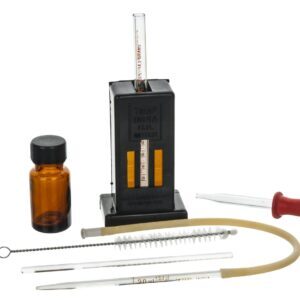
Haemometers are used for the determination of blood’s content of haemoglobin. The Marienfeld Superior haemometer according to Sahli is supplied as complete set consisting of:
polystyrene support with 2 coloured rods and opal glass plate
comparator tube
haemoglobin pipette 20 μl acc. to Sahli
silicone tubing of approx. 16 cm length
white mouthpiece
dropping pipette with rubber teat
stirring rod
acid vial
cleaning brush
directions for use
without CE – mark, only for sale and application outside ECSKU: n/a -
Health & Medical
Door Pulls
Kopperguard™ antimicrobial DOOR PULLS kills greater than 99.9% of Bacteria* within 2 hours of contact!
All Kopperguard™ products are made from CuVerro® antimicrobial copper and registered with EPA as the only solid Antimicrobial Surface
Incorporation of Kopperguard™ antimicrobial product into your facility can help reduce the bacteria* that cause infections
Available in a brushed rose gold finish that elegantly lets everyone know the steps you have taken to provide continuous protection against disease-causing bacteria*
Antimicrobial protection never looked so good!
Offered in 8”, 10”, 12” sizes for easy installation
SKU: n/a
There are no reviews yet.