


Mechanical Stirrer
Overhead stirrer is suitable for mixture of high viscosity liquid or solid-liquid. Widely used in chemical synthesis, pharmaceutical, physical and chemical analysis, petrochemical, cosmetics, health care, food, biotechnology and other fields.
Characteristics:
. Brushless DC motor drive, low noise and maintenance free.
. Stainless steel head restraints, more durable
. Stirrer with digital type has three kinds of rotation mode as positive rotation, inversion, reciprocal and mutual conversion.
Report Abuse
Shipping Details
Based on 0 reviews
Be the first to review “Mechanical Stirrer”
You must be logged in to post a review.
Vendor Information
- Store Name: ATLANTIC Scientific and Research Supply
- Vendor: ATLANTIC Scientific and Research Suply
- No ratings found yet!
-
Health & Medical
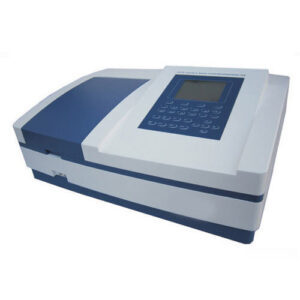
UV-spectrophotometer double beam
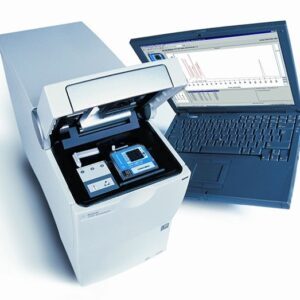
Range 190-1100 nm, basic/quantiative wavelength scan/DNA Protein Test/Kinetic, automatic peak picking spectrum display. Large screen with graphic display. Spectrum and data can be printed out by printer and sent to computer via USB PORT. Set of 4 quartz and 4 glass cuvettes is provided. Software Included (Imported with German Lamps).
SKU: n/a -
Health & Medical
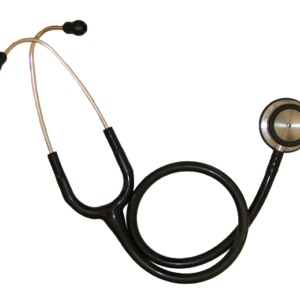
stethoscope
The Clinical Lite professional stethoscope is a classic dual head stethoscope that is extremely light weight and affordable. The anodized aluminum dual head has a fiberglass diaphragm to optimally detect S1 and S2 heart sounds as well as Korotkoff sounds, while the bell side is optimally designed for assessing S3 and S4 heart sounds. The Clinical Lite professional stethoscope incorporates a snap-on diaphragm retaining ring and a non-chill bell ring providing the ease of use and maintenance, while enhancing patient comfort.
SKU: n/a -
Health & Medical
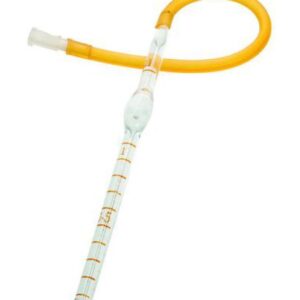
WBC-pipettes
Gentian violet slightly stains the nuclei of the leucocytes. The blood specimen is diluted 1:20 in a WBC pipette with the diluting fluid and the cells are counted under low power of the microscope by using a counting chamber. The number of cells in undiluted blood is reported per cumm (µl) of whole blood.
SKU: n/a -
Health & Medical
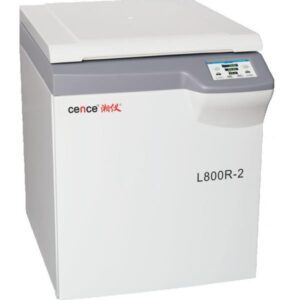
Water-Deionizer
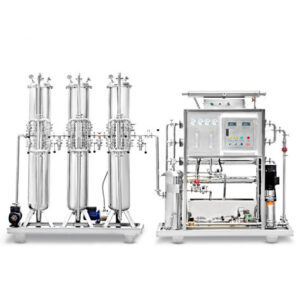
Water Deionizer Industrial Waste Water Treatment Equipment Machine
How Water Deionizer Industrial Waste Water Treatment Equipment Works
The Reverse Osmosis process uses a semi-permeable membrane to separate and remove dissolved solids, organics, pyrogens, submicron collodial matter, viruses, and bacteria from water. The process is called “Reverse” Osmosis since it requires pressure to force pure water across a membrane, leaving the impurities behind. Reverse Osmosis is capable of removing 95 – 99% of the total dissolved solids (TDS) and 99% of all bacteria, thus providing safe, pure water.SKU: n/a
Product Enquiry
Related products
-
Health & Medical
Glass -Test-Tube++
Glass test tube, also known as culture tube and sample tube, is a common and widely used glassware, which has a finger-like length, open top and closed bottom. It can be made of soda-lime material, borosilicate glass or quartz glass. And borosilicate glass and quartz glass test tube can withstand high temperatures up to several hundred celsuis.
SKU: n/a -
Health & Medical
Haemometer set
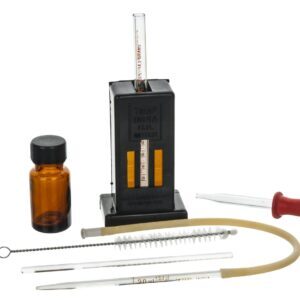
Haemometers are used for the determination of blood’s content of haemoglobin. The Marienfeld Superior haemometer according to Sahli is supplied as complete set consisting of:
polystyrene support with 2 coloured rods and opal glass plate
comparator tube
haemoglobin pipette 20 μl acc. to Sahli
silicone tubing of approx. 16 cm length
white mouthpiece
dropping pipette with rubber teat
stirring rod
acid vial
cleaning brush
directions for use
without CE – mark, only for sale and application outside ECSKU: n/a -

There are no reviews yet.